Hiking for Beginners: Everything You Need to Know Before Your First Hike
New to hiking? Here's the short version: pick a short, well-marked trail close to home, wear moisture-wicking layers and broken-in shoes, pack water, snacks, and a few safety basics, tell someone where you're going, and take it slow. That's it. Hiking is far more accessible than it looks — and this guide walks you through every first step so you can head out feeling confident instead of overwhelmed.
Hi, I'm Michele, founder of Roam Freely Outdoors. I've spent years helping women take their very first steps onto the trail — and somewhere along the way I founded a thriving hiking community (and summited Kilimanjaro, which started with exactly the kind of short, nervous first hike you might be planning right now). So I promise you: everyone starts somewhere, and the trail is a lot friendlier than it seems.
Here's everything you actually need to know.
In this guide
What hiking really is (and why you can do it)
How to choose your first trail
What to wear
What to pack: the day-hike essentials
How much water and food to bring
Hiking safety basics
Trail etiquette
Do you need to "get in shape" first?
Common beginner mistakes to avoid
Finding your people
FAQ
What hiking really is (and why you can absolutely do it)
Let's clear something up: hiking is just walking, on a trail, usually somewhere beautiful. It doesn't require special athleticism, expensive gear, or any experience. A flat two-mile loop around a lake is a hike. So is a gentle forest path. You get to choose how far and how hard — which means the very first one can be as easy as you want it to be.
The reason hiking feels intimidating is usually just the unknowns: Which trail? What do I wear? What if I get lost? Am I fit enough? Answer those, and the nerves mostly disappear. So let's answer them.
How to choose your first trail
The single best thing you can do as a beginner is pick the right trail — not too long, not too steep, and not too remote. Look for three things:
Distance: Start with 2–4 miles round trip. You can always do more next time.
Elevation gain: This is the number that makes a hike feel hard. Aim for under ~500 feet of gain for your first outing. A "3-mile hike" with 2,000 feet of climbing is a very different animal than a flat 3-mile loop.
Difficulty rating & reviews: Apps like AllTrails rate trails easy/moderate/hard and include recent reviews — read them for trail conditions, how busy it is, and whether it's well-marked.
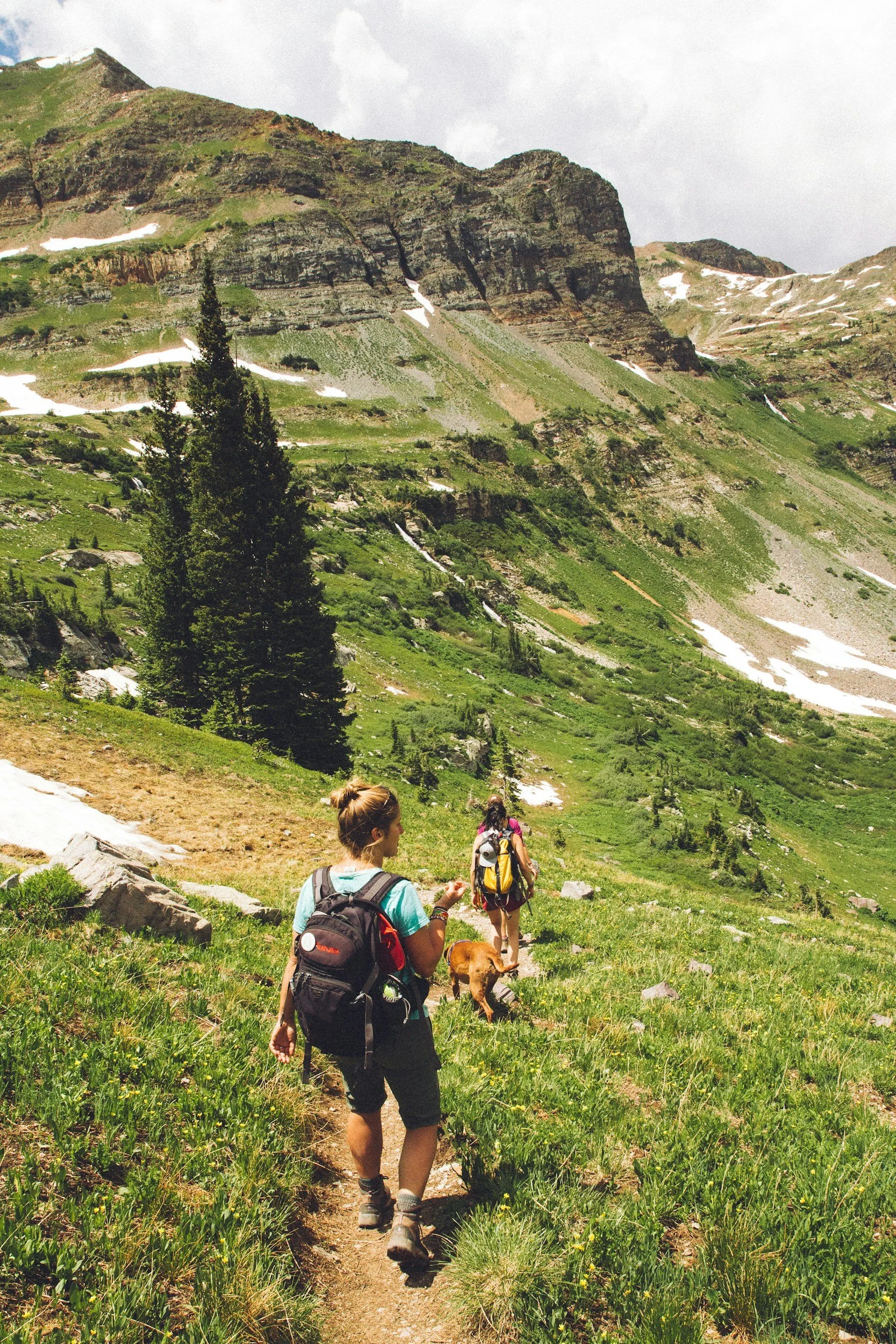
Choose a popular, well-marked trail in a state or national park near you for your first few hikes. Busy is good when you're starting out: easier navigation, and people around if you have a question.
What to wear hiking
You don't need a closet full of technical gear. You need one rule and a handful of pieces.
The one rule: no cotton. Cotton soaks up sweat and stays wet, which makes you cold and causes chafing and blisters. Choose moisture-wicking synthetic or wool instead.
The basic layering system:
Base layer: a moisture-wicking t-shirt or long-sleeve.
Mid layer: a light fleece or puffy for warmth (bring it even if it's warm out — mountain weather changes fast).
Outer layer: a packable rain jacket. Always.
Bottoms: hiking pants, leggings, or shorts you can move in.
Socks: wool or synthetic hiking socks (this alone prevents a lot of blisters).
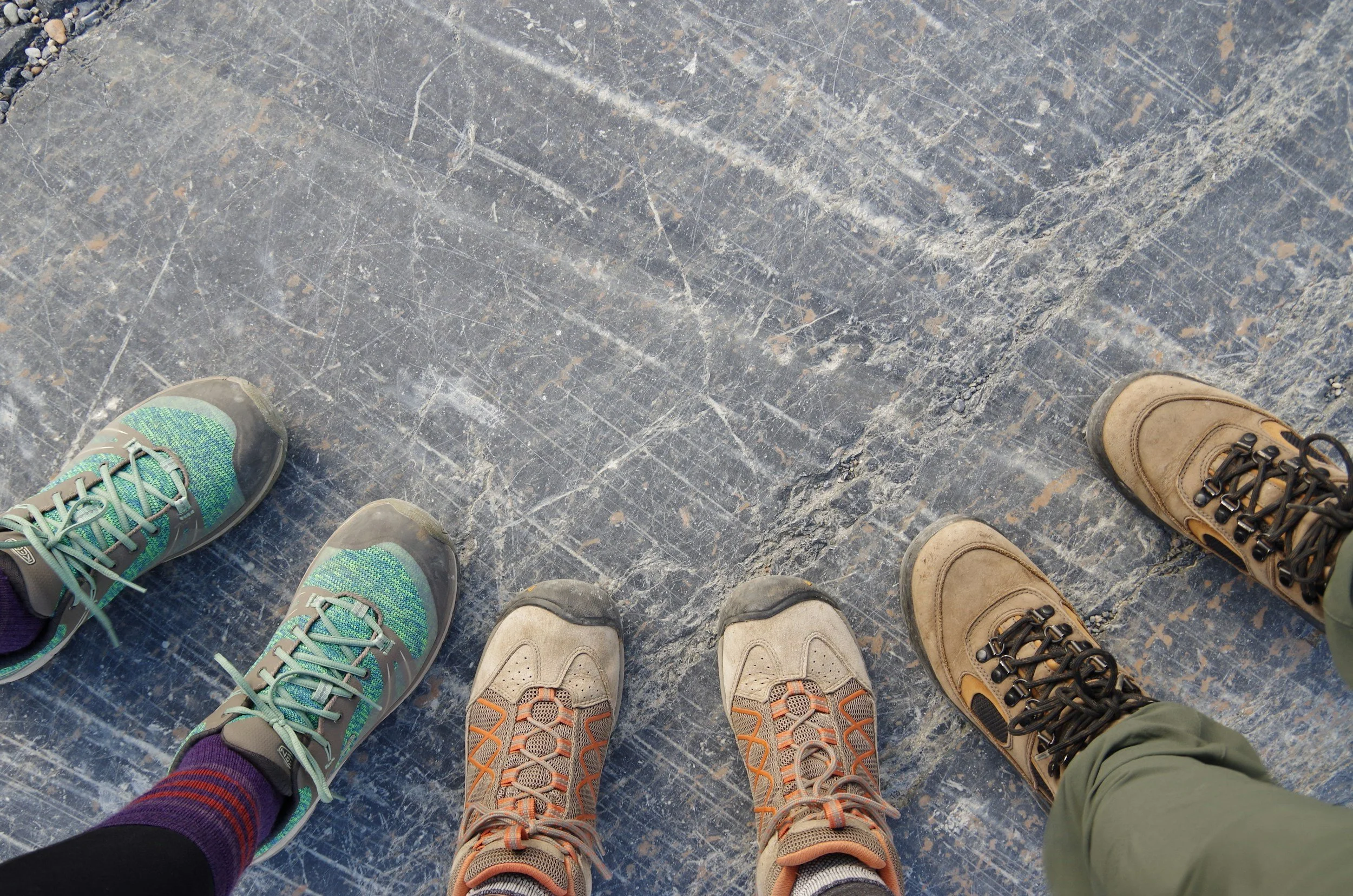
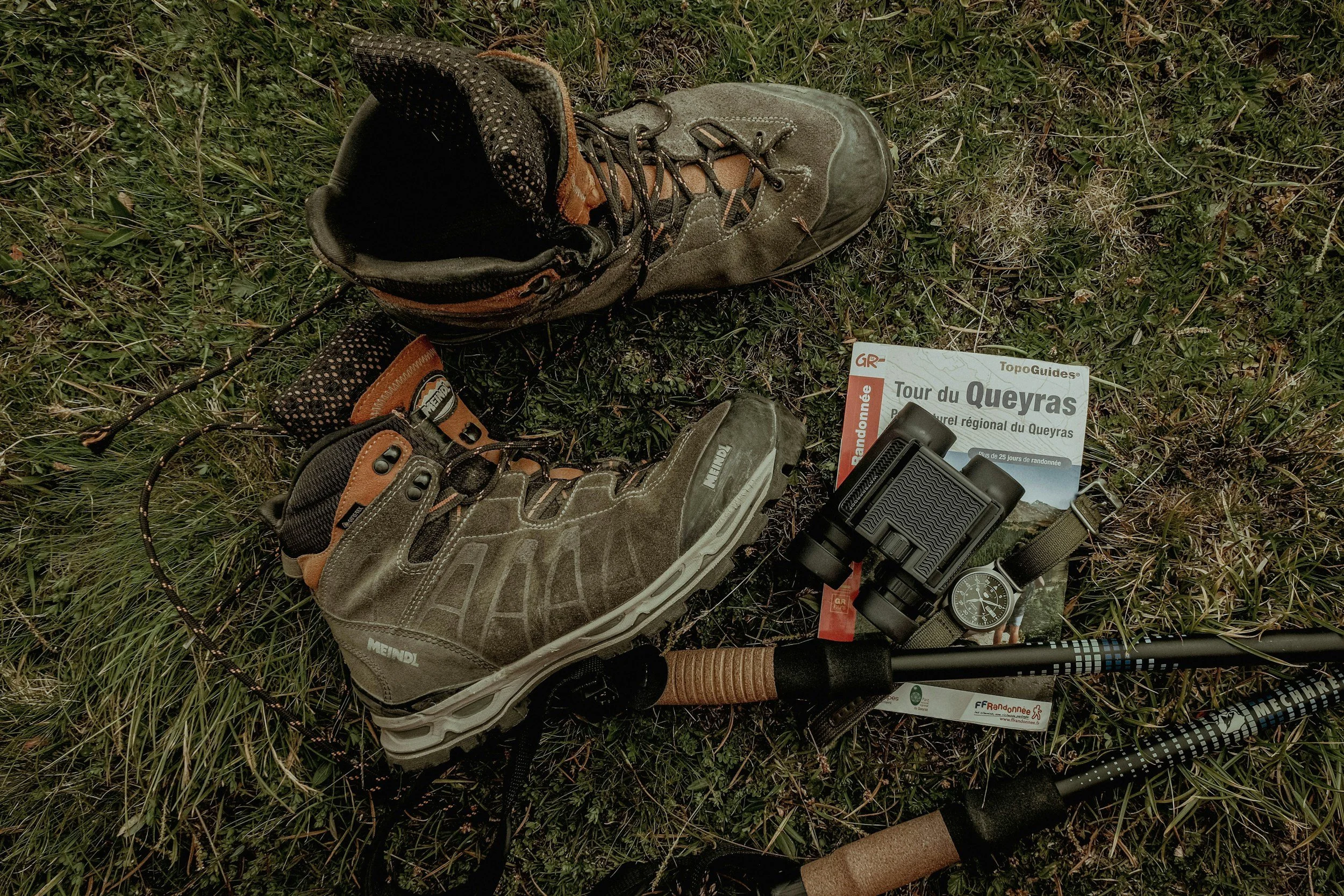
Shoes: comfortable, broken-in trail runners or hiking shoes with grippy soles.
Dress in layers you can add and shed as you warm up and cool down.
What to pack: the day-hike essentials
For a short day hike, a small daypack (15–25L) with these covers you:
Water (more on amounts below)
Snacks and a packed lunch if you'll be out a while
Rain jacket and an extra warm layer
Sun protection: sunscreen, SPF lip balm, sunglasses, a hat
Navigation: your phone with the trail downloaded offline, and ideally a paper map
A small first-aid kit (add blister bandages / moleskin)
Headlamp or flashlight (in case you're out later than planned)
Fully charged phone + a small power bank
A little cash/ID
That list overlaps with what experienced hikers call the "ten essentials" — the small safety items that turn a bad surprise into a minor inconvenience.
How much water and food should you bring?
A good rule of thumb: about half a liter (16–20 oz) of water per hour of hiking, more in heat or at altitude. For a typical 2–3 hour beginner hike, 1–2 liters is plenty. Bring a little extra the first few times until you learn your own needs.
For food, pack more than you think you'll want — hiking burns through energy quietly. Easy, salty, snackable options travel best: trail mix, nut butter, jerky, fruit, energy bars, a sandwich.
Hiking safety basics
Most hiking safety comes down to a few simple habits, not fancy equipment:
Tell someone your plan. Where you're going, which trail, and when you'll be back. This is the single most important thing you can do.
Check the weather before you go, and turn around if it turns.
Stay on the marked trail. Most people who get lost wandered off it.
Download the trail map offline — cell service disappears fast in the backcountry.
Start early so you're not racing daylight.
Know your turnaround time. Getting to the viewpoint is optional; getting back to your car is not.
If you're hiking solo or want extra peace of mind, a satellite communicator (like a Garmin inReach) lets you call for help with no cell signal.
Trail etiquette (the unwritten rules)
A few quick courtesies make you a welcome presence on the trail:
Uphill hikers have the right of way — step aside and let them keep their rhythm.
Stay on the trail to protect fragile plants (and your ankles).
Pack out everything you pack in — yes, even orange peels and apple cores.
Keep noise down so everyone can enjoy the quiet.
Say hi! The trail is a friendly place.
Do you need to "get in shape" first?
Short answer: no — you need to pick a hike that matches the shape you're in right now, then build from there. A gentle 2-mile trail is a perfectly good starting point at any fitness level.
That said, if you have a bigger goal in mind (a guided trip, a bucket-list summit), a little preparation makes it far more enjoyable. Walking regularly, adding some hills or stairs, and doing a few longer practice hikes goes a long way.
Common beginner mistakes to avoid
The good news: nearly every beginner mistake is easy to skip once you know it.
Wearing brand-new boots on a big hike (hello, blisters). Break them in first.
Choosing a trail that's too ambitious. Start smaller than you think.
Underpacking water and snacks.
Ignoring the weather or starting too late in the day.
Wearing cotton.
Not telling anyone where you're going.
Finding your people
Here's the thing nobody tells you: the hardest part of starting isn't the physical hiking — it's often just not wanting to go alone. That's completely normal, and it's exactly why hiking with others is such a game-changer. You get safety in numbers, someone to figure out the map with, and the kind of friendships that only seem to happen on a trail.
You can start by joining a local women's hiking group, or by going on a guided trip where every logistic is handled and all you have to do is show up. That's the whole idea behind Roam Freely — small, women-only hiking adventures through the most beautiful national parks in America, built so that a first-timer and a seasoned hiker both feel completely at home. If reading this got you dreaming, browse our upcoming trips.
Whatever you choose, know this: the woman who hikes confidently was once exactly where you are now, lacing up for the first time. Take the first step. The rest is just walking — somewhere beautiful.
Frequently asked questions
How long should my first hike be? Start with a 2–4 mile round-trip trail with under about 500 feet of elevation gain. It's long enough to feel like a real hike and short enough to leave you excited for the next one.
What should a beginner wear hiking? Moisture-wicking layers (no cotton), comfortable broken-in trail shoes, wool or synthetic socks, and always a packable rain jacket. Dress in layers you can add or remove as you warm up.
Do I need hiking boots to start? Not necessarily. Many beginners are perfectly comfortable in supportive trail runners for easy trails. Boots add ankle support and durability for rougher terrain.
How much water should I bring? Roughly half a liter per hour of hiking — about 1–2 liters for a typical beginner hike — and more in heat or at altitude.
Is it safe to hike as a beginner? Yes, when you choose an appropriate trail, tell someone your plan, check the weather, and stay on the marked path. Hiking with a group or on a guided trip adds an extra layer of safety and confidence.
How do I get fit enough to hike? Start with easy trails that match your current fitness, then build gradually with regular walks, some hills, and a few longer practice hikes.
Ready to trade the "what ifs" for the real thing? Roam Freely runs small-group, women-only hiking adventures where everything is handled — the route, the gear, the meals, the safety — so all you have to do is show up and explore.
Explore More