The quick answer: to choose the right hiking trip, match five things to yourself — difficulty (be clear-eyed about your fitness), destination (the scenery that calls to you, in its best season), group (size and who it’s for), style (camping vs. lodges, how much is handled), and support (guide-to-guest ratio and safety). Get those aligned and the trip almost picks itself. Below is exactly how to weigh each one, plus the questions to ask before you book.
There are a lot of hiking trips out there, and they are not all created equal. The right one leaves you glowing; the wrong one leaves you exhausted, uncomfortable, or bored. The good news is that finding your fit isn’t complicated once you know what to look at.
I’m Michele, founder of Roam Freely Outdoors. I’ve designed a lot of trips and helped a lot of women choose between them — here’s the framework I’d give a friend.
Everyone hikes their own hike
Before I ever led a trip, I was the guest. I’ve been on guided trips myself and they taught me as much about what makes a trip wonderful as what can quietly get in the way.
The trips I loved most were the ones where the guides paid attention to me: my pace, my energy that day, what I’d come hoping to feel. The ones I liked least moved everyone along as a single unit — same pace, same plan, same expectations — as if the group were one hiker instead of a dozen different women with a dozen different reasons for being there.
That’s the lesson I carry into every trip I run: no two guided trips are created equal, and no two women want the same thing from one. My goal isn’t to get “the group” up the mountain. It’s to help guide you to the best experience for you.
A very dear friend — an avid hiker — once said to me, “Everyone hikes their own hike.” It has stuck with me ever since. Your pace, your reasons, your turnaround point, your summit: they’re yours. Every woman’s journey is her own, and so is every woman’s hike. The framework below is built around exactly that.
1. Start with difficulty — and be clear-eyed
This is the one that matters most, because a mismatch here can spoil an otherwise perfect trip. A trip that’s too hard is miserable; too easy and you’re restless. Look for a company that rates its trips clearly (we use a 1–5 scale) and read the fine print: total mileage, elevation gain, terrain, and altitude.
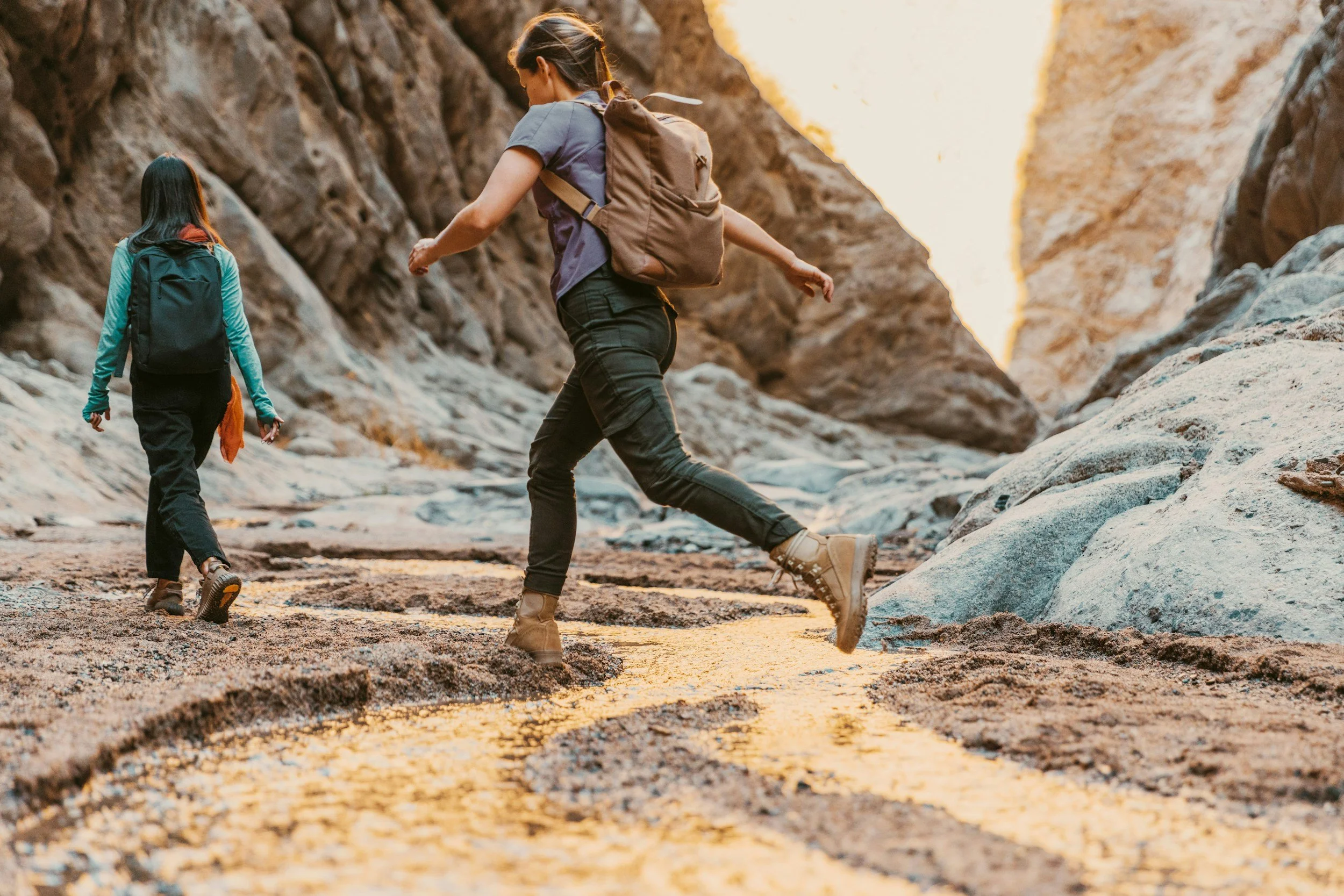
Then match it carefully to your current fitness and how much you’re willing to train. The best trips also offer “choose your distance” days, which give you a built-in safety valve — you can scale a big day up or down as you feel.
2. Pick a destination that makes your heart beat faster
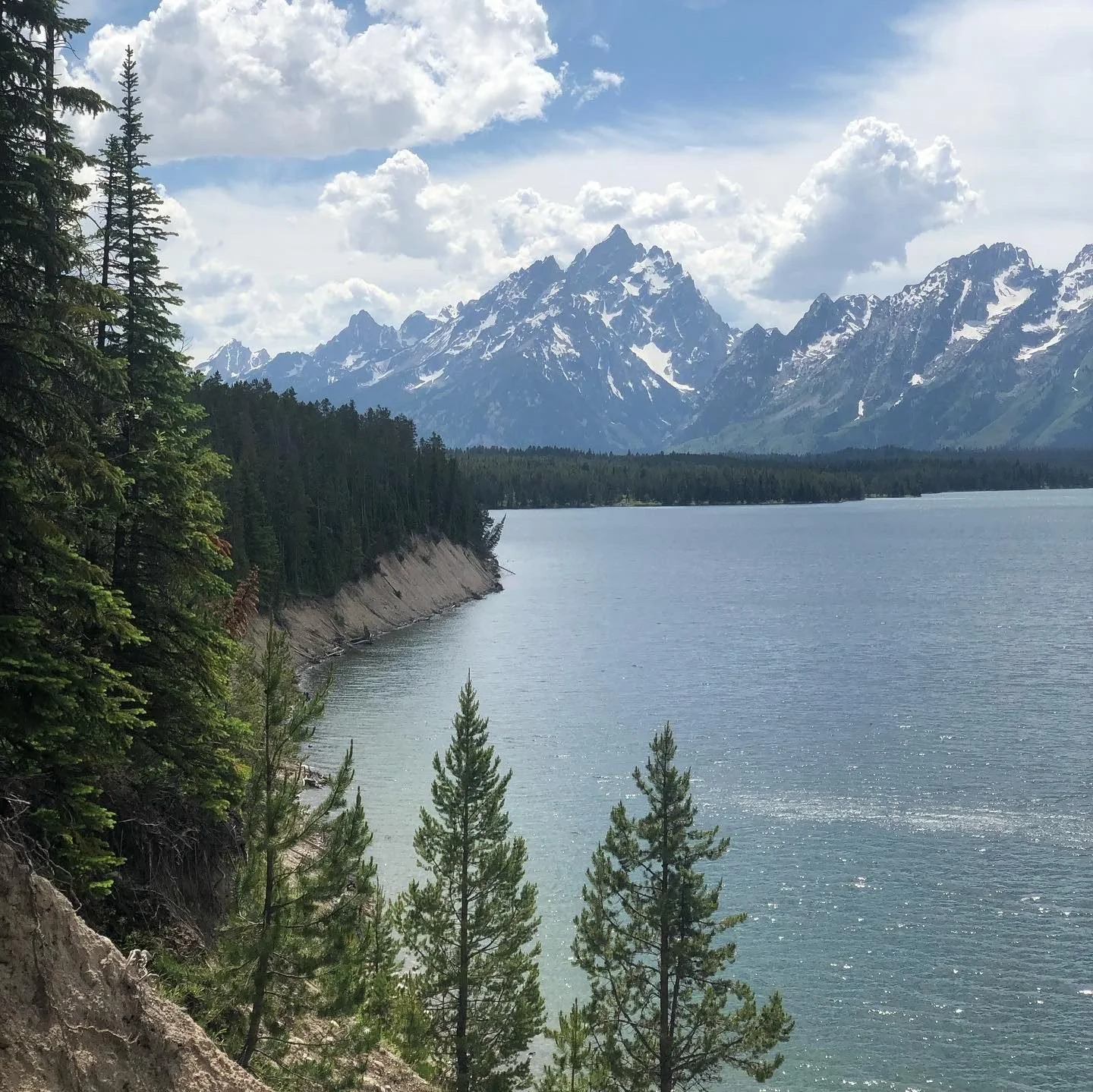
Once you know your difficulty range, choose the place. Do you dream of red-rock desert, towering sequoias, alpine lakes, or crashing coastline? There’s no wrong answer — go where the scenery genuinely excites you.
Two practical notes: consider the season (each park has its best window) and the travel logistics (which airport you’ll fly into). But mostly, follow the pull.
3. Consider the group — size and who it’s for
The people around you shape the entire experience. Ask:
How big is the group? Smaller groups (we cap at 14) mean a more personal, less herded feel, and a guide who actually knows your name and pace.
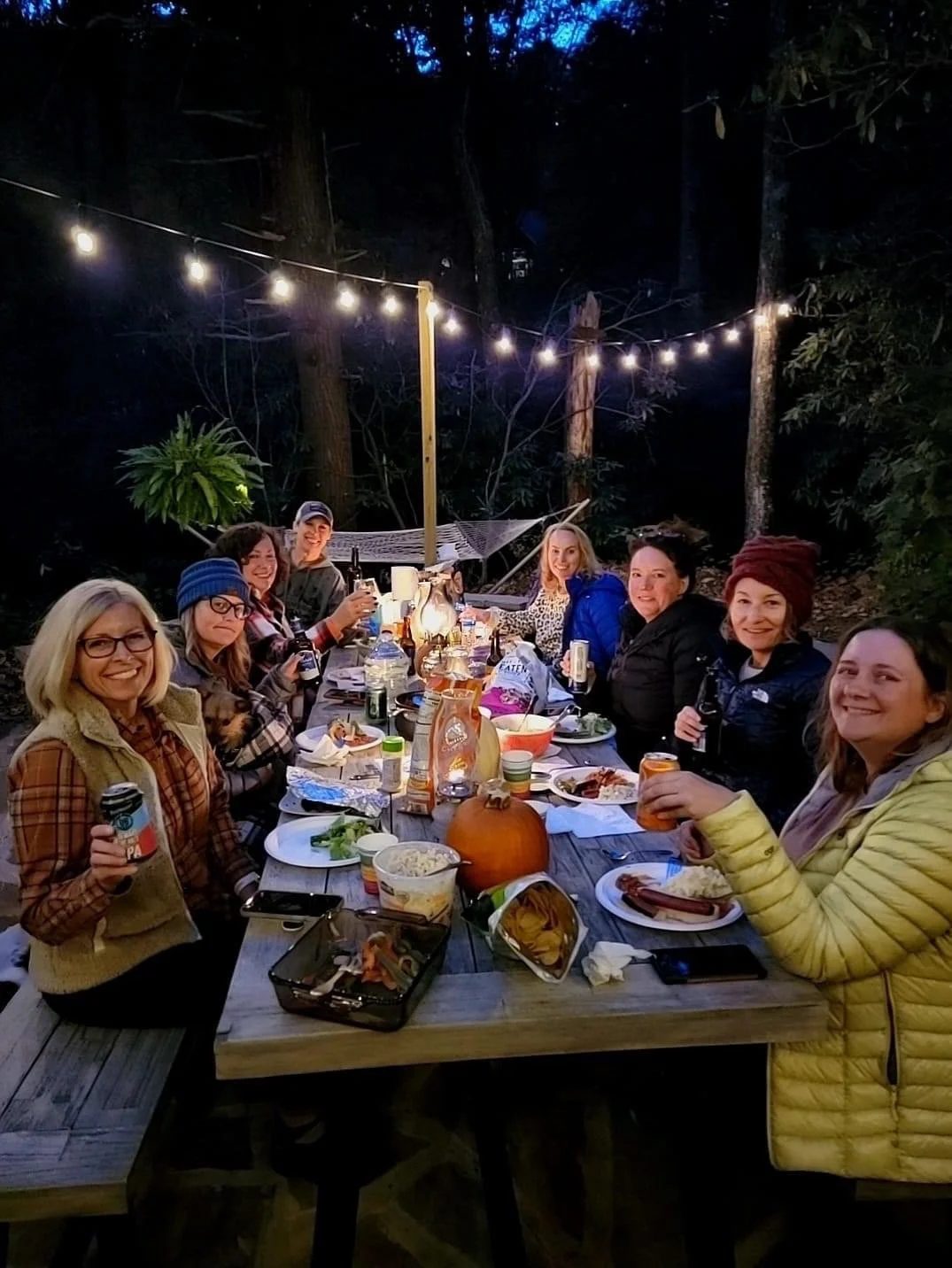
Who is it for? A trip designed for a specific group — say, women only — tends to have a particular warmth and ease that a mixed general-public tour can’t replicate.
Will I fit in? The best small-group trips attract like-minded people and bond fast, so solo travelers feel right at home.
4. Decide on the style — camping, lodges, and how much is handled
“Hiking trip” covers a huge range of comfort levels. Figure out what you actually want:
Where you’ll sleep: backcountry tents, comfortable glamping (a bed, hot showers — no ground-sleeping), or hotels and lodges. Know which one a trip uses before you book.
How much is handled: on a fully-supported trip, the planning, driving, permits, meals, and gear are all done for you — you just hike. That’s a very different experience from a self-guided itinerary where you’re still doing the logistics.
What’s included: read what the price actually covers (lodging, meals, gear, park fees, transport) so you’re comparing apples to apples.
5. Look at the support and safety
The quieter details that make a trip safe and smooth:
Guide-to-guest ratio — more support means a group that can flex to different paces and handle the unexpected.
Experience and knowledge — guides who know the terrain, the weather, and the area.
Safety practices — first-aid, communication in no-signal areas, and vetted logistics.
What questions should I ask before booking a hiking trip?
Before you commit, get clear answers to these:
How difficult is it, day to day — mileage, elevation, and terrain?
Are there “choose your distance” options on the big days?
What’s the group size, and who typically comes?
Where will I sleep, and will I share a room or tent?
What exactly is included in the price — and what’s not?
What’s the guide-to-guest ratio, and how is safety handled?
What happens after I book — do I get a full itinerary, packing list, and support?
What’s the cancellation and refund policy?
A good company will answer all of these happily and clearly. If getting straight answers feels like pulling teeth, that tells you something too.
So how do I actually decide?
Put it together: pick the difficulty you can train for, the destination that thrills you, a group and style that fit how you like to travel, and a company whose support and safety you trust. When those line up, you’ll feel it — the trip will just feel right.
And if you’re torn between two, reach out and ask. The best companies would rather help you find your fit than sell you the wrong week. (That’s always our approach — just ask us.)
Frequently asked questions
How do I choose the right guided hiking trip?
Match five things to yourself: difficulty (take a clear-eyed look at your fitness), destination (the scenery and season you want), group (size and who it’s for), style (camping vs. lodges and how much is handled), and support (guide ratio and safety). When those align, you’ve found your trip.
What should I look for in a hiking tour company?
Clear difficulty ratings, small group sizes, “choose your distance” flexibility, transparent pricing, strong guide support and safety practices, and clear, responsive communication before you book.
What questions should I ask before booking a hiking trip?
Ask about daily mileage and elevation, choose-your-distance options, group size and who attends, sleeping arrangements, exactly what’s included, guide-to-guest ratio and safety, post-booking support, and the cancellation policy.
How do I know if a hiking trip is too hard for me?
Compare its difficulty rating, daily mileage, elevation gain, and altitude to your current fitness and willingness to train. Trips with choose-your-distance days give you flexibility if you’re unsure.
Are women-only hiking trips a good choice?
For many women, yes — they tend to have a particular warmth and ease, attract like-minded travelers, and are especially comfortable for solo travelers, who make up most guests.
Still weighing your options? Roam Freely runs small, women-only hiking adventures with clear difficulty ratings, choose-your-distance days, and everything handled — and we’re always happy to help you find the right fit.
A good place to start: the Zion, Bryce & Escalante trip.
Explore More