Hiking Boots vs. Trail Runners: Which Do You Actually Need
The short answer: for most easy and moderate day hikes on well-maintained trails, lightweight trail runners are all most women need — they're comfortable, breathable, and require almost no breaking in. Choose hiking boots when you'll be on rugged, rocky, or wet terrain, carrying a heavy pack, or when you know your ankles want extra support. Neither is "better"; the right choice depends on the trail, your body, and what feels good on your feet.
This is one of the great debates in hiking, and it can make gearing up feel more complicated than it needs to be. So let's cut through it. There's no universal winner here — only the right pick for you and where you're headed.
I'm Michele, founder of Roam Freely Outdoors, and I've watched women hike happily in both. Here's how to decide with confidence.
What's the difference between hiking boots and trail runners?
At the simplest level, it's a trade between support and durability on one side, and lightness and comfort on the other.
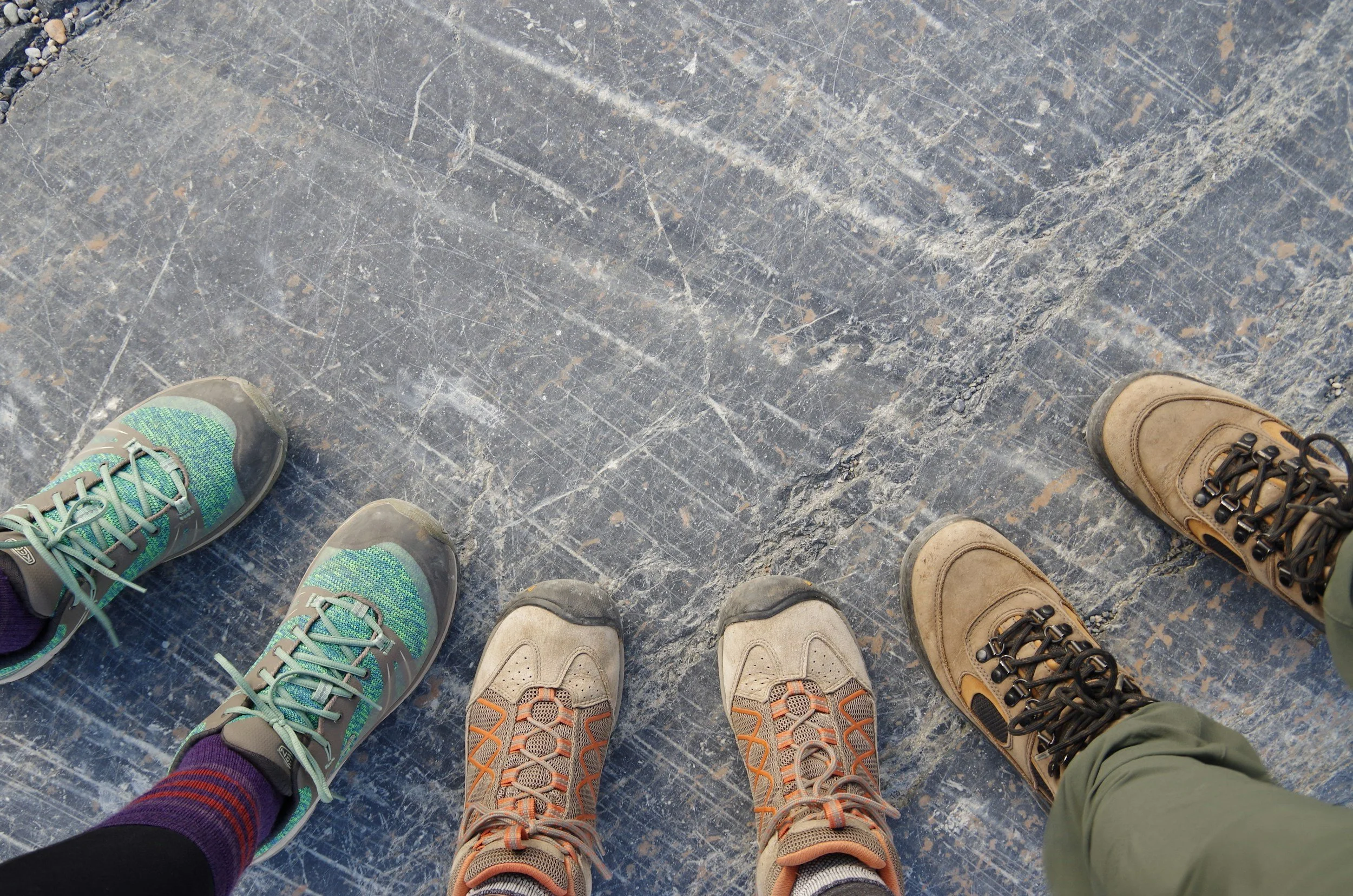
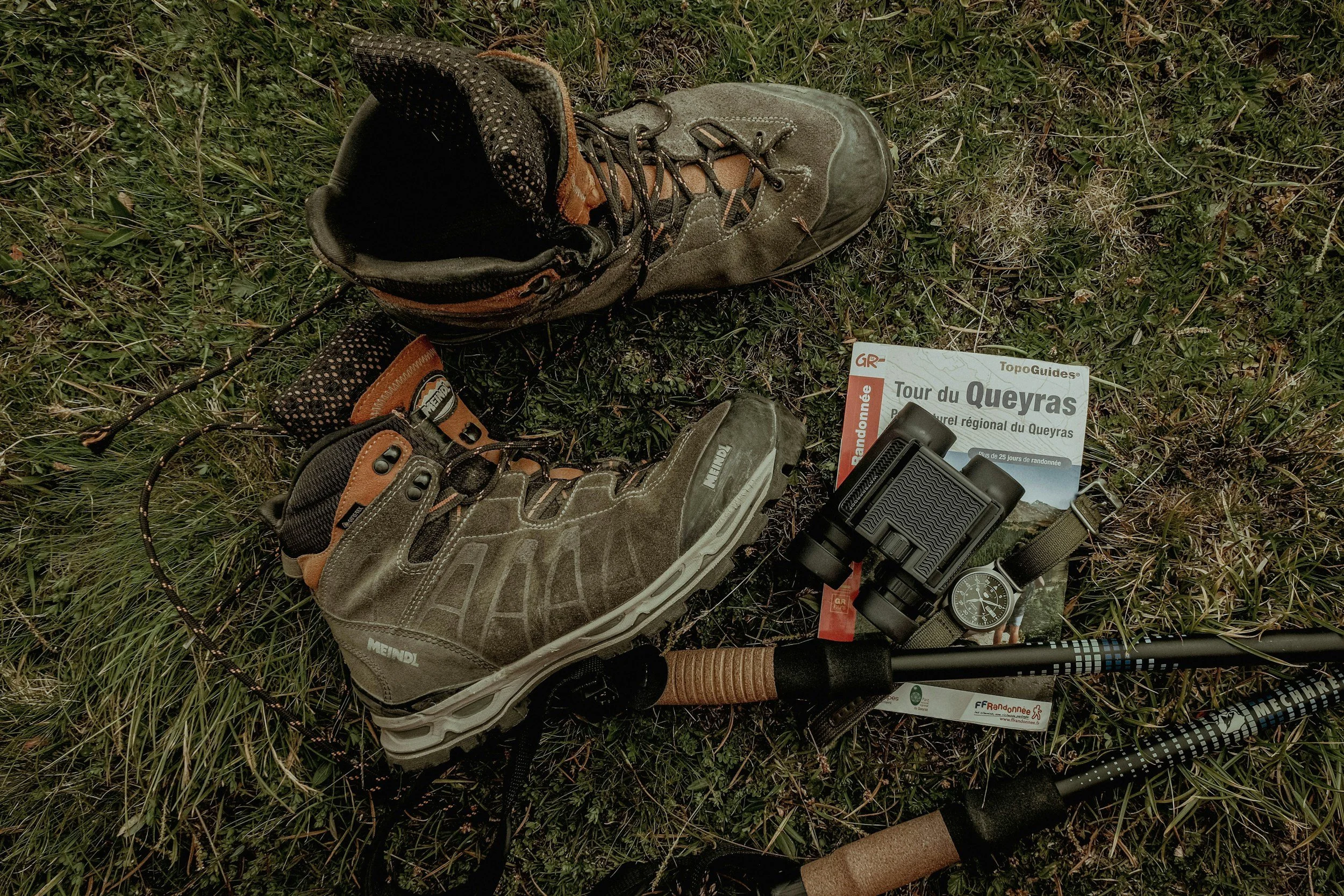
Hiking boots are sturdier and usually higher-cut, with stiffer soles and more ankle support. They're built to protect your feet on rough ground, keep you stable under a heavy pack, and last through hard use. Many are waterproof. The trade-off: they're heavier, warmer, and need breaking in.
Trail runners are essentially rugged running shoes — low-cut, flexible, breathable, and light. They're comfortable right out of the box, dry quickly, and make your feet feel nimble. The trade-off: less ankle support, less protection on sharp rock, and they wear out faster.
Hiking boots vs. trail runners at a glance
| Hiking Boots | Trail Runners | |
|---|---|---|
| Support | More — ankle + stiff sole | Less — flexible, low-cut |
| Weight | Heavier | Light |
| Break-in | Needed | Little to none |
| Breathability | Warmer | Cooler, dries fast |
| Durability | Longer-lasting | Wears out sooner |
| Best for | Rugged, rocky, wet terrain; heavy packs | Easy–moderate trails; day hikes; hot weather |
| Waterproofing | Often waterproof | Usually not |
When should I choose trail runners?
Reach for trail runners when:
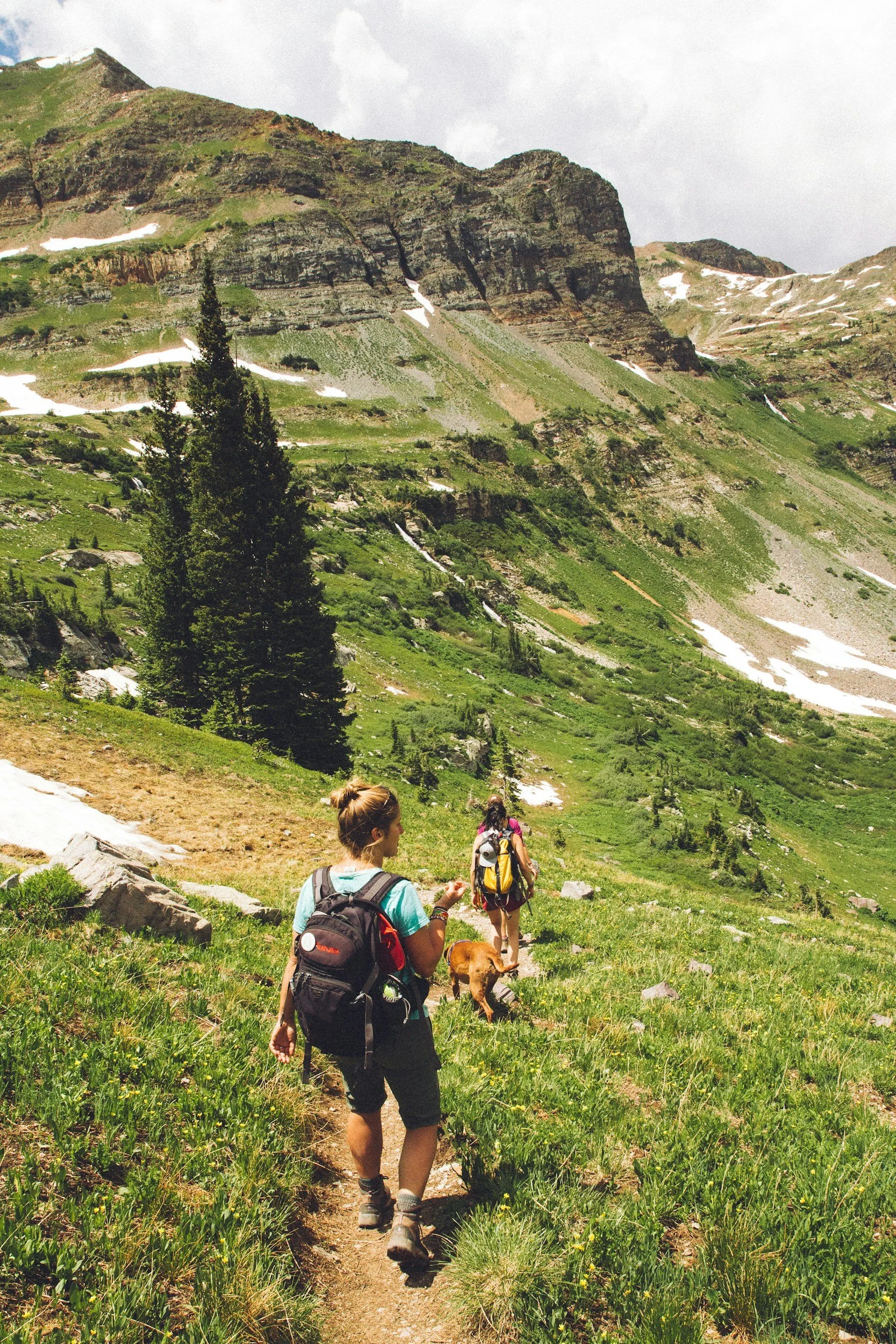
You're doing day hikes on well-maintained trails — which describes most of the hiking most women do.
The terrain is easy to moderate, without a lot of loose rock or scrambling.
It's hot, or you tend to run warm — their breathability is a real comfort.
You want comfort right away without breaking anything in.
You have healthy ankles and aren't carrying a heavy overnight pack.
For beginners especially, a good pair of trail runners is often the easiest, most comfortable entry point — no stiff break-in period, no blisters from unforgiving leather.
When should I choose hiking boots?
Reach for boots when:
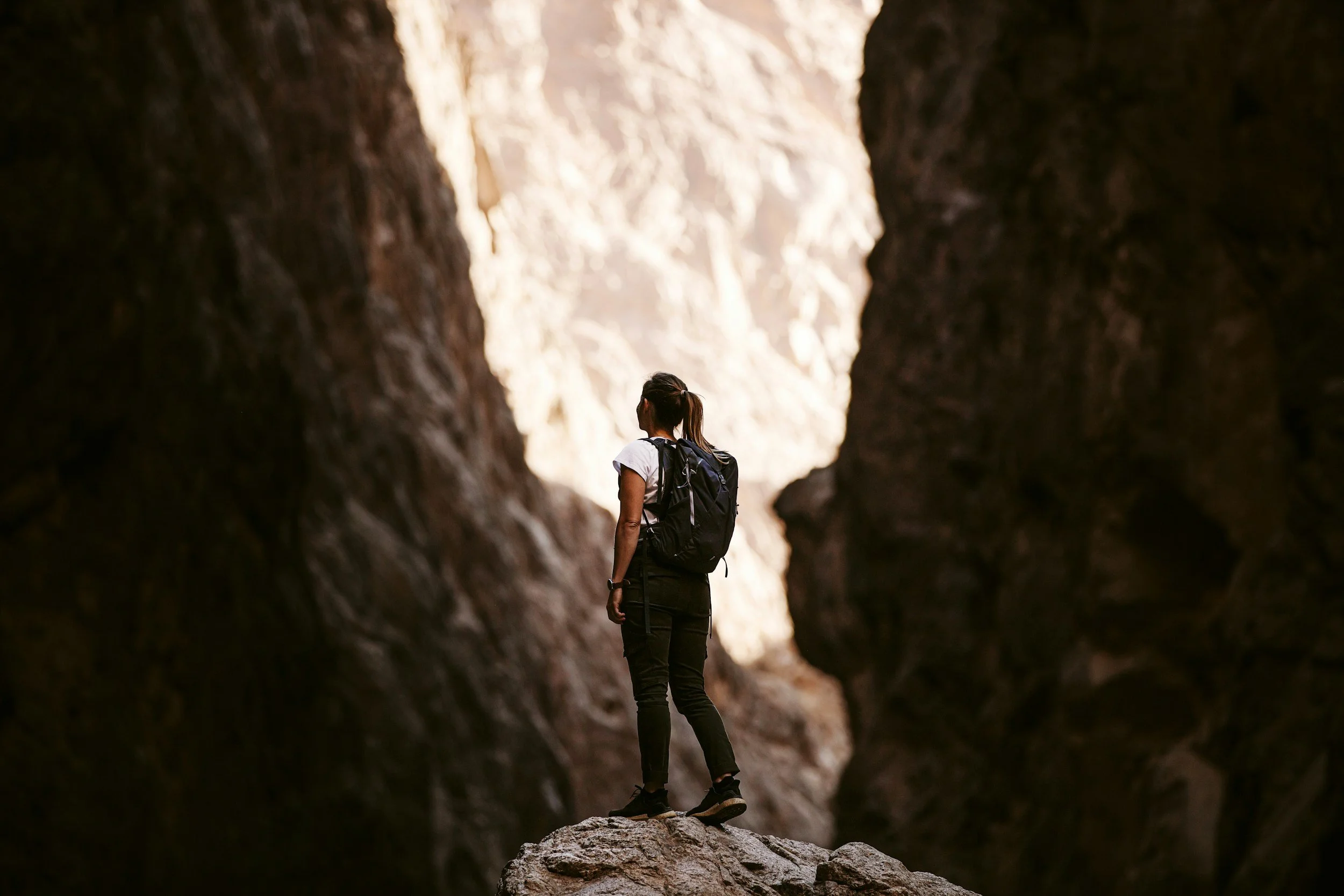
You'll be on rugged, rocky, root-covered, or steep terrain where your feet need protection and stability.
Conditions are wet, muddy, or snowy and you want waterproof coverage.
You're carrying a heavier pack and want the extra support underfoot.
Your ankles feel unstable or you have a history of rolling them — the higher cut genuinely helps.
You want footwear that holds up to years of hard, frequent use.
Which is better for beginners?
Honestly? For a beginner easing into easy and moderate trails, trail runners are often the friendlier choice — comfortable immediately, light on the feet, and forgiving. Many new hikers overspend on heavy boots they don't yet need, then blame hiking for their sore feet.
That said, if the trails near you are rocky or wet, or your ankles worry you, a supportive boot is a perfectly good place to start. The real mistake isn't picking the "wrong" category — it's picking a poorly fitting pair, or not breaking it in.
How do I make sure they fit — and break them in?
Fit matters more than the boots-vs-runners question ever will. A few rules:
Shop later in the day, when your feet are slightly swollen, and wear your actual hiking socks.
Leave room in the toe box — about a thumb's width so your toes don't jam on downhills (the #1 cause of black toenails).
Make sure the heel doesn't slip — heel movement means blisters.
Break them in gradually. Wear them around the house and on short walks before any big hike. Trail runners need little of this; boots need real time. Never wear brand-new footwear on a long trail.
Good socks finish the job. Wool or synthetic hiking socks — never cotton — prevent most blisters when paired with well-fitting shoes.
What should I wear on a guided trip?
Whatever's comfortable and appropriate for the terrain — and you won't have to guess. When you book a Roam Freely trip, we send a complete, destination-specific packing list that tells you exactly what footwear suits that trip, so you can arrive in the right shoes, already broken in.
Bottom line
Don't overthink it. Match your footwear to the terrain, prioritize fit, break it in, and pair it with good socks. Do that, and both trail runners and boots will carry you happily for miles.
Frequently asked questions
Do I really need hiking boots to start hiking? No. For easy and moderate day hikes on maintained trails, supportive trail runners are comfortable and plenty capable. Boots shine on rugged, rocky, or wet terrain and under heavier packs.
Are trail runners good for beginners? Yes — they're often the friendliest option for beginners: light, breathable, and comfortable right away with little break-in. Just choose a well-fitting pair and wear proper hiking socks.
Are trail runners bad for your ankles? They offer less ankle support than boots, which is fine for most people on moderate terrain. If you have weak or previously injured ankles, or you're on very rough ground, boots' higher cut provides more stability.
How should hiking shoes fit? Snug but not tight, with about a thumb's width of room in the toe box so your toes don't hit the front on descents, and no heel slippage. Try them on later in the day with your hiking socks.
How do I break in hiking boots? Wear them gradually — around the house, then on short walks and easy hikes — for a couple of weeks before a big hike. Trail runners need little break-in; leather boots need the most.
Once your footwear's sorted, the trail is calling. Roam Freely runs small, women-only hiking adventures through America's most beautiful national parks — with a full packing list sent when you book, so you'll show up in exactly the right shoes.
Explore More