What to Wear Hiking: A Women's Guide for Every Season
The short version: dress in moisture-wicking layers you can add and shed — a base layer, a warm mid layer, and a packable rain jacket — with hiking pants or leggings, wool or synthetic socks, and comfortable, broken-in trail shoes. The one unbreakable rule: no cotton (it stays wet, chills you, and causes chafing). Nail those basics and you can adapt to almost any trail, in any season.
Figuring out what to wear is one of the most common things that trips up new hikers — and one of the easiest to solve once you understand the system behind it. You don't need a closet full of expensive gear. You need a few smart pieces and one good rule.
I'm Michele, founder of Roam Freely Outdoors, and I've helped a lot of women build their first hiking wardrobe without overspending. Here's everything you actually need.
What should I wear hiking? (The layering system)
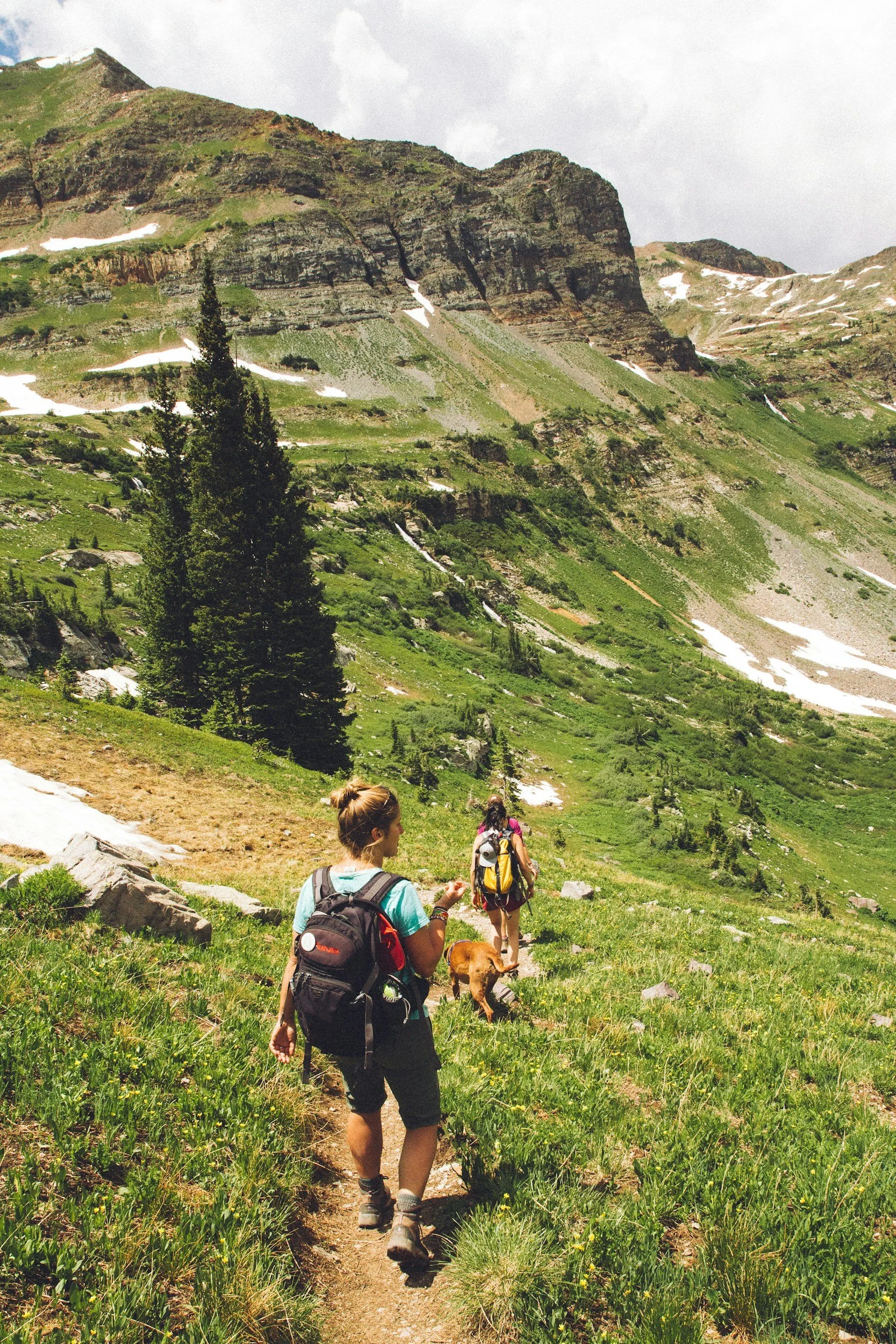
Almost all hiking clothing comes down to three layers you mix and match depending on the weather. Learn this once and you'll never be caught out:
Base layer — the layer against your skin. Its job is to pull sweat away so you stay dry. A moisture-wicking t-shirt or long-sleeve in synthetic or merino wool.
Mid layer — your insulation. A light fleece or puffy jacket that traps warmth. Bring one even on warm days; mountain weather turns fast.
Outer layer — your shield. A packable, waterproof rain jacket. Always in the pack, even under blue skies.
The magic is in adding and removing layers as you go — peel off as you warm up on the climb, layer back up at a windy summit. You regulate your temperature like a thermostat instead of being stuck too hot or too cold.
Why does everyone say "no cotton"?
Because cotton is the one fabric that genuinely works against you out there. It soaks up sweat and rain like a sponge and then holds that moisture against your skin — which leaves you cold, clammy, and prone to chafing and blisters. In cool conditions, wet cotton can even become a real safety issue.
The fix is simple: choose synthetic (polyester, nylon) or merino wool for anything touching your skin, including socks and underwear. These wick moisture, dry fast, and keep insulating even when damp. This one swap prevents a surprising number of miserable hikes.
What kind of pants and footwear do I need?
Bottoms: anything you can move and stretch in — hiking pants, leggings, or shorts in a quick-drying fabric. Skip jeans (heavy, slow-drying, restrictive). Many women love hiking leggings; convertible or lightweight hiking pants are great for brush and sun.
Socks: this is where blisters are won or lost. Wear wool or synthetic hiking socks, never cotton. A well-fitting pair alone prevents a lot of foot misery.
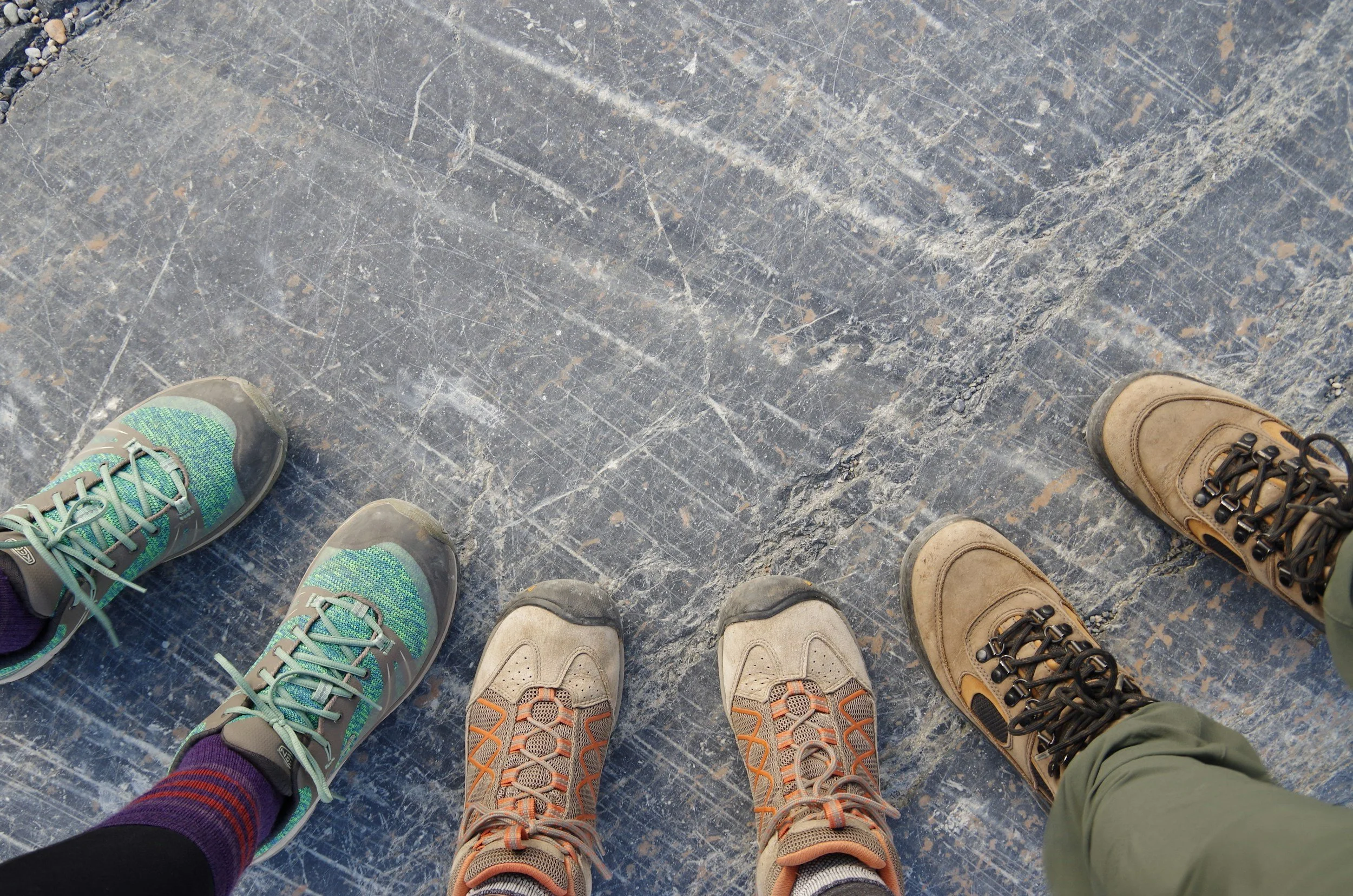
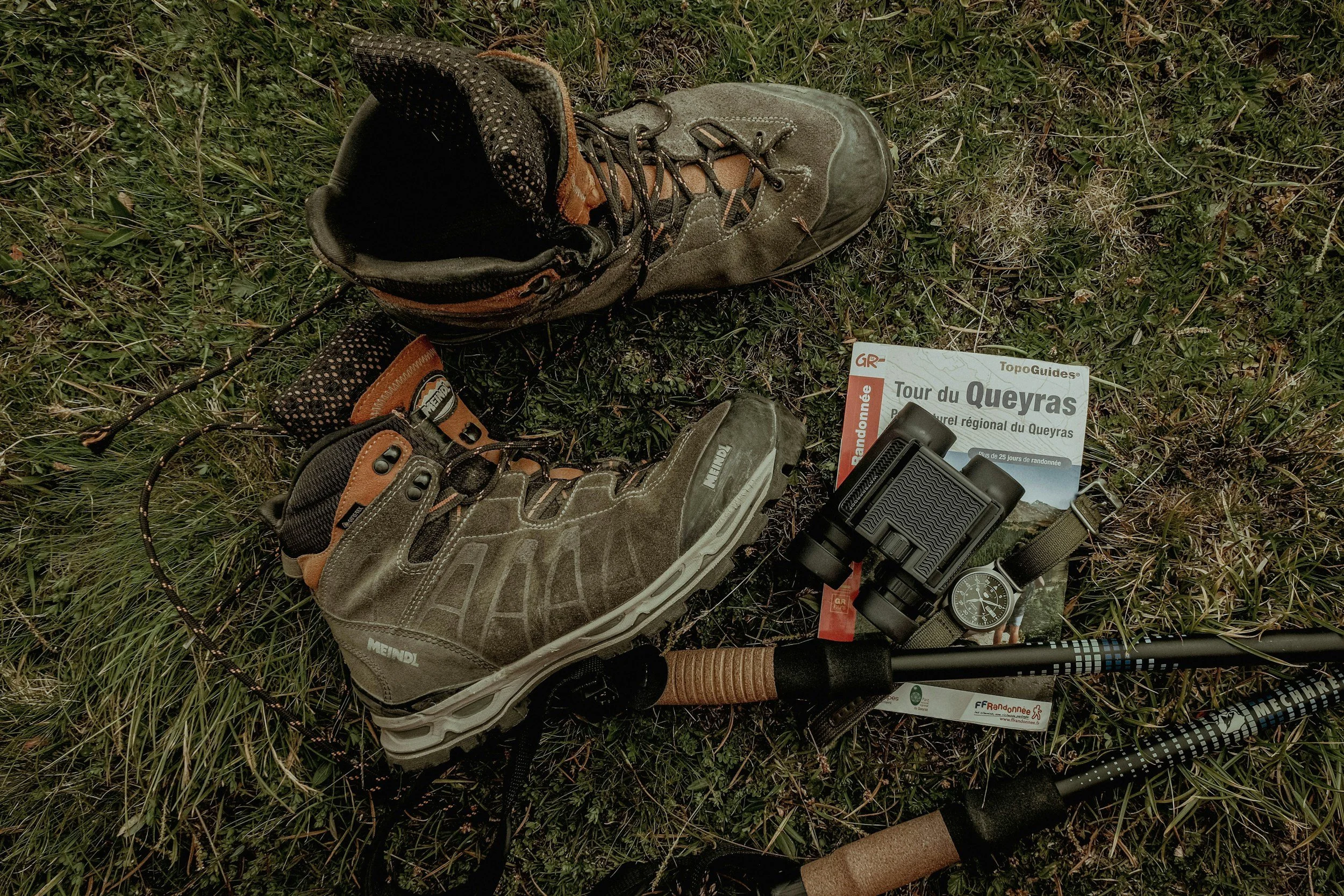
Shoes: comfortable, broken-in, with grippy tread. For easy and moderate trails, supportive trail runners are plenty for many women; hiking boots add ankle support and durability for rugged or wet terrain. The most important rule of all: break them in on shorter walks before a big hike. New footwear on a long trail is a recipe for blisters.
What should I wear hiking in summer?
Focus on sun and heat management:
A light, moisture-wicking t-shirt or tank, or a lightweight long-sleeve for sun protection.
Shorts or lightweight pants, whatever's comfortable for the terrain.
A wide-brimmed hat and sunglasses, plus sunscreen and SPF lip balm.
Still pack that rain jacket and a light layer — high country cools off fast and afternoon storms are common.
Bring more water than you think in summer heat, and start early to beat the hottest part of the day.
What should I wear hiking in fall and spring?
These "shoulder seasons" are all about swings — chilly mornings, warm afternoons, and everything in between. Layering earns its keep here:
A moisture-wicking base layer plus a fleece or light puffy you'll shed and re-add all day.
Hiking pants (warmer than shorts for cool starts).
A warm hat and light gloves for early mornings and exposed summits.
Always the rain jacket — shoulder-season weather is famously changeable.
What should I wear hiking in winter or cold weather?
Cold hiking is comfortable and gorgeous when you layer well:
A warm merino or synthetic base layer (top and bottom).
An insulating mid layer — a fleece or heavier puffy.
A windproof, waterproof outer layer.
A warm hat, insulated gloves, and warm wool socks.
Traction (like microspikes) if there's ice or packed snow, and warm, waterproof footwear.
The trick in winter is to avoid sweating through your layers — start a touch cool, and shed a layer before you overheat on the climb.
What do I wear on a guided hiking trip?
Good news: less to figure out than you'd think. On our trips, we send you a complete, season-specific packing list once you book, so you'll know exactly what to bring for that destination and time of year — no guesswork. And because we supply all the camping and hiking gear, you're really just packing clothes and personal items.
Get the layering system down and the no-cotton rule locked in, and you're ready for the trail in any season. Everything after that is just fine-tuning for the forecast.
Frequently asked questions
What should I wear on my first hike? Moisture-wicking layers (no cotton): a base layer, a warm mid layer, and a packable rain jacket, plus hiking pants or leggings, wool or synthetic socks, and comfortable broken-in trail shoes. Dress in layers you can add and remove as you warm up and cool down.
Why can't I wear cotton hiking? Cotton absorbs sweat and rain and holds moisture against your skin, leaving you cold and prone to chafing and blisters. Choose synthetic or merino wool instead, which wick moisture and dry quickly.
Do I need hiking boots or are sneakers okay? For easy and moderate trails, supportive trail runners work well for many hikers. Boots add ankle support and durability for rugged or wet terrain. Whatever you choose, break them in before a long hike, and avoid flat-soled everyday sneakers on real trails.
What should women wear hiking in hot weather? A light, moisture-wicking top, shorts or lightweight pants, a wide-brimmed hat and sunglasses, and plenty of sunscreen — but still pack a rain jacket and a light layer, since mountain weather changes fast.
How should I dress for a cold-weather hike? Layer a warm base layer, an insulating mid layer, and a windproof, waterproof outer layer, plus a warm hat, gloves, and wool socks. Add traction like microspikes for ice, and start slightly cool so you don't sweat through your layers.
Want your packing made even easier? When you book a Roam Freely trip, we send you a complete, season-specific packing list and supply all the hiking and camping gear — so all you have to bring is yourself.
Explore More